
For European womenswear brands, the biggest sourcing mistake is not always choosing the most expensive supplier. It is often choosing the wrong one.
In global fashion, a collection can look strong on paper and still fail before it ever reaches the retail floor. The reason is simple: wrong supplier fit. Delayed samples, poor communication, weak design understanding, inconsistent bulk production, missed delivery windows, and last-minute quality surprises can quietly damage a season long before customers see the garments.
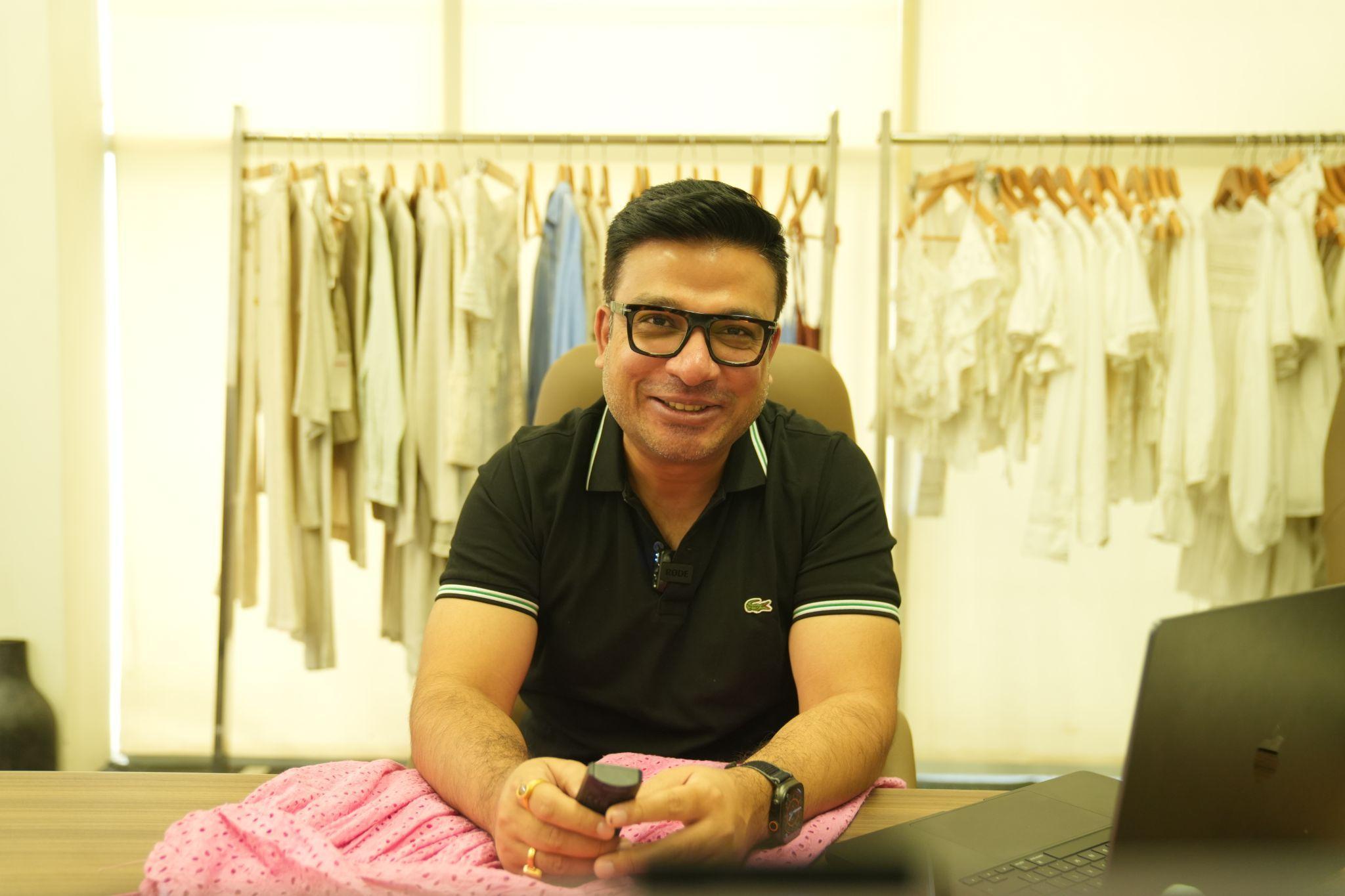
This is the problem Aman Jain, Director of Dressman, has been working to solve for international fashion brands sourcing women’s apparel from India.
As global buyers search for reliable women’s clothing manufacturers in India, women’s apparel exporters, private label clothing manufacturers, custom garment suppliers, and ethical apparel manufacturing partners, the conversation is shifting. Price still matters. But price alone is no longer enough.
According to Aman Jain, the future of apparel sourcing from India will belong to manufacturers who understand fit, reliability, design intent, and delivery discipline.
“Many brands do not lose money because the product was bad,” says Aman Jain. “They lose money because the supplier was not aligned with the brand’s needs, timelines, quality expectations, or customer market.”
Dressman, a Gurgaon-based women’s apparel manufacturer and exporter, works with international fashion brands that need more than basic garment production. The company focuses on women’s ready-to-wear categories such as dresses, blouses, co-ords, tops, shirts, skirts, pants, and trend-led seasonal collections.
But what makes Dressman different is not only what it produces. It is how it approaches the sourcing relationship.
For many European brands, India has become an important destination for fashion sourcing because of its design flexibility, skilled workforce, fabric variety, craftsmanship, and ability to handle smaller, more customized runs compared to mass-volume production hubs. However, not every garment manufacturer in India is right for every fashion brand.
This is where Aman Jain’s thinking becomes relevant.
He believes that buyers must evaluate a women’s apparel manufacturer in India on four critical factors: supplier fit, reliability, design understanding, and delivery discipline.
Supplier fit means the manufacturer understands the brand’s category, customer profile, retail calendar, quality expectation, and order style. A premium European womenswear brand cannot work with a factory that only understands volume. A boutique label cannot work with a manufacturer that is too rigid. A fast-moving retailer cannot depend on a supplier that communicates slowly.
Reliability means the manufacturer does what it says. Samples must arrive when promised. Approvals must be tracked. Timelines must be realistic. Bulk production must match approved samples. Communication must be clear before problems become expensive.
Design understanding is equally important. In womenswear, a small difference in fall, fit, proportion, stitching, fabric handling, or finishing can change the entire garment. A good supplier does not simply follow a tech pack. It understands the buyer’s design intent and protects it from sketch to shipment.
Delivery discipline is the final layer. European fashion seasons are unforgiving. A late shipment can miss the selling window, force markdowns, damage brand value, and create dead stock. In fashion, late delivery is not an operational issue. It is a margin issue.
This is why Aman Jain has positioned Dressman as a sourcing partner for buyers who want peace of mind, not just production capacity.
His larger philosophy is also captured in his book, “Ensure Zero Dead Stock & Save Millions,” where he explains how poor buying decisions, wrong supplier choices, weak planning, and lack of communication can lead to unsold inventory and lost profitability.
For brands searching online for a reliable garment exporter from India, women’s clothing supplier, BSCI-compliant apparel manufacturer, low MOQ clothing manufacturer, or custom womenswear manufacturer India, Dressman’s proposition is clear: manufacturing should reduce stress, not create it.
Aman Jain’s approach challenges a common habit in fashion sourcing: choosing the cheapest quote first and calculating the real cost later.
Because the cheapest supplier can become the most expensive one when samples fail, timelines slip, fabrics change, quality drops, and the season moves on without the product.
For European womenswear brands, the smarter question is no longer, “Who can make this cheapest?”
The smarter question is, “Who is the right manufacturing partner for this collection?”
And that is where Aman Jain and Dressman are building their authority.
In a market full of garment suppliers, apparel exporters, private label manufacturers, and sourcing agents, Dressman is focused on a quieter but more valuable promise: choosing the right fit, protecting design intent, and delivering collections with clarity, consistency, and care.
Because in fashion, the wrong supplier does not just delay production.
It can kill the collection before it reaches the rack.
